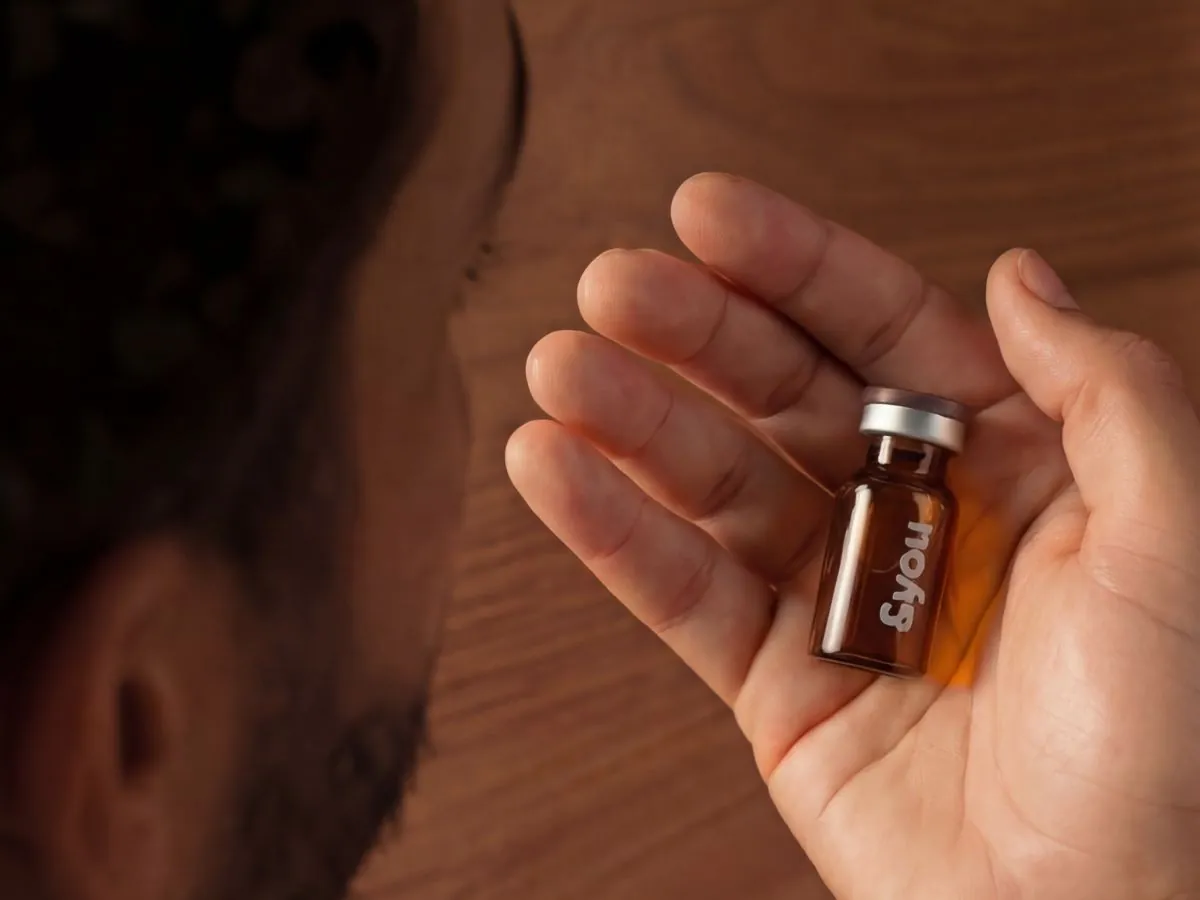
How Long Should You Stay on Weight Loss Drugs?
The length of treatment depends on health goals, medical history, and how the body responds to the drug. Many people need ongoing care to maintain weight loss, while some use medication for a shorter period with close medical support.
Optimizing and Maintaining Weight Loss During and After Medication
Weight loss drugs work best when paired with daily habits that support long-term health. Diet, movement, and careful medical planning shape results during treatment and after someone stops taking GLP-1 medications.
Frequently asked questions
Typical Duration of Therapy
Most weight-loss drugs work only while a person takes them. Studies show many people stop within one to two years, even though the drugs remain effective during use. A large review found that many users stop GLP-1 medications like Ozempic and Wegovy within the first year, often due to cost or side effects, as reported in a JAMA-based analysis of GLP-1 stop rates . Doctors often prescribe GLP-1 drugs such as semaglutide or tirzepatide for long-term use . These drugs support appetite control and blood sugar over time. Short courses rarely lead to lasting weight loss without other treatment.
Personalized Factors Affecting Duration
No single timeline fits everyone. An endocrinologist or obesity medicine specialist reviews several factors before setting a plan. Key factors include: Starting weight and weight-loss goals Presence of type 2 diabetes or insulin resistance Side effects like nausea or fatigue Ability to afford long-term treatment Lifestyle changes made during treatment People with long-standing obesity or diabetes often stay on GLP-1 receptor agonists longer. Others may taper off if weight gain followed a short-term event, such as pregnancy or medication use. Doctors adjust duration based on progress, not a fixed schedule.
Long-Term Versus Short-Term Use
Long-term use focuses on weight maintenance and metabolic health. GLP-1 agonists like Wegovy, Mounjaro, and Zepbound help reduce hunger signals by acting on the GLP-1 hormone. Novo Nordisk and other makers designed these drugs for chronic obesity management. Short-term use aims to jump-start weight loss. This approach carries higher risk of rebound hunger and weight regain. Trials such as STEP 1 showed strong weight loss with semaglutide during treatment, but stopping often reversed gains. Obesity experts usually recommend long-term use when obesity behaves as a chronic condition.
What Happens When You Stop Taking Weight Loss Drugs
Stopping weight-loss drugs often leads to increased appetite within weeks. Many people regain a large share of lost weight, especially if they stop suddenly. Clinical trials and real-world data show this pattern across GLP-1 medications. A detailed review of stopping GLP-1 drugs explains that most people regain weight after discontinuation, even after strong initial results, as outlined in this analysis of what happens after quitting GLP-1 medications . Some strategies may reduce regain: Gradual dose tapering Ongoing exercise programs Switching to lower-cost medications Doctors monitor patients closely during this phase to protect weight loss and metabolic health.
Lifestyle Changes and Sustainable Weight Loss
Medication helps control appetite, but diet and exercise drive lasting results. People who follow a healthy diet with lean protein, fiber, and whole foods tend to keep weight off longer. Regular meals also help manage insulin resistance and support metabolic health. An exercise routine does not need to be intense. Most plans include walking, strength training, and basic cardio. Even 150 minutes per week can support sustainable weight loss . Lifestyle changes matter most while the medication is active. Doctors often stress this point in guidance on maintaining weight after completing weight loss medications . Key habits linked to better outcomes include: Eating protein at each meal Drinking enough water Sleeping 7–8 hours per night Tracking progress toward clear weight loss goals
Safely Reducing or Discontinuing Medication
Many people want to stop taking GLP-1 drugs after reaching a goal weight. Research shows that stopping suddenly often leads to weight regain. Clinical data on long-term use and discontinuation of weight loss medications shows gradual tapering lowers this risk. Doctors usually reduce the dose slowly or extend time between doses. This approach helps control hunger and blood sugar changes. It also gives the body time to adjust without shock. During tapering, providers often increase focus on food structure and movement. Strength training becomes more important to limit muscle loss. Patients who maintain routines during this phase tend to stabilize weight more easily. Medical guidance matters. People should not adjust or stop medication without professional oversight.
Potential Risks and Side Effects of Prolonged Use
Weight loss drugs like liraglutide and semaglutide have known risks. Most side effects involve nausea, vomiting, or diarrhea. These usually improve over time but may persist for some users. Rare but serious concerns include pancreatitis and a possible link to thyroid cancer in people with certain risk factors. Doctors screen for these risks before long-term treatment. Ongoing monitoring remains standard practice. Data show many patients stop within one year due to cost or side effects. Experts explain in how long most people stay on a weight-loss drug that continued use often supports better weight control. Long-term treatment decisions depend on health history, tolerance, and response to the drug.
.avif&w=256&q=75)