.avif&w=256&q=75)
Health Club
Get the latest news, tips, and stay up to date on the latest wellness trends from &you.
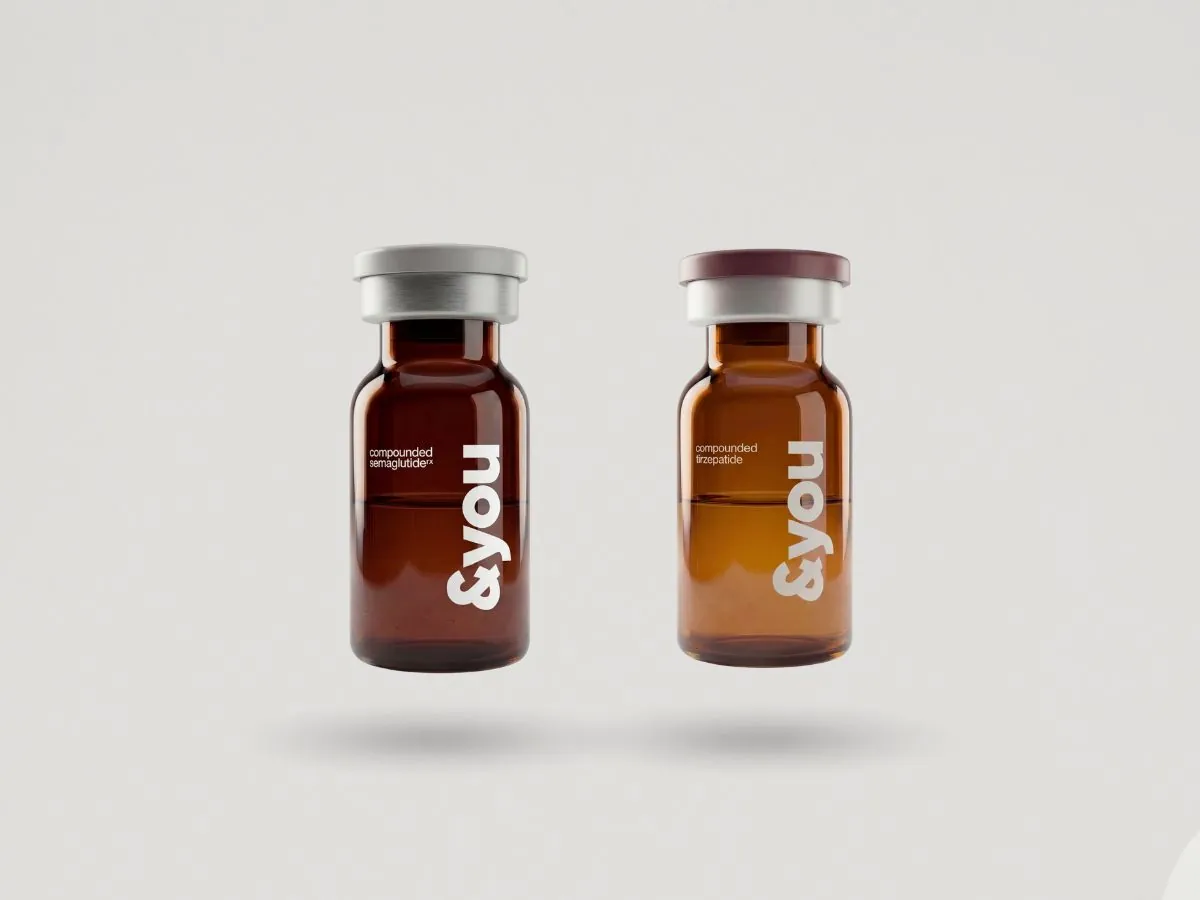
Semaglutide vs Tirzepatide: Which GLP-1 Works Better for Weight Loss?
Weight Loss Team in Weight Loss
Weight loss drugs like semaglutide and tirzepatide now shape many treatment plans. They both help control appetite and support steady weight loss. The choice often depends on results, side effects, and long-term fit.

The Importance of Consistency Over Intensity: Achieving Lasting Results
Weight Loss Team in Weight Loss
Many people push hard for short bursts and expect big results. They work long hours, train too much, or chase fast wins. This pattern often leads to stress, burnout, and uneven progress.
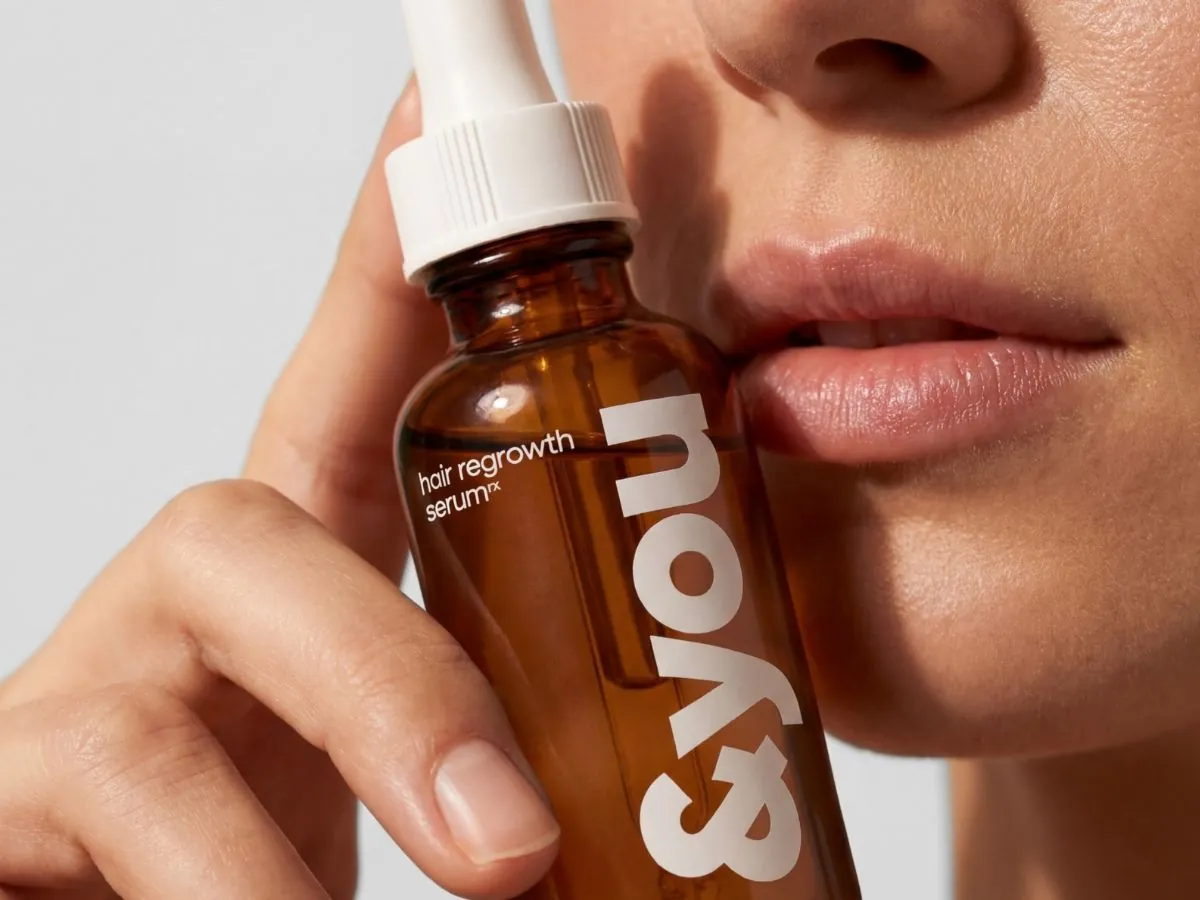
Minoxidil 2% vs 5% for Women: Which Strength Is Right for You?
Hair Health Team in Hair Regrowth
Hair thinning can feel confusing, especially when shelves show more than one strength of the same treatment. Minoxidil stands out as a common option for female pattern hair loss, but choosing between two strengths can raise doubts. The difference matters because strength affects both results and side effects.

Sexual Health Resolutions to Try This Year: Your Actionable Guide
Sexual Health Team in Sexual Health
A new year gives people a clear moment to rethink how they care for their bodies, their boundaries, and their relationships. Sexual health resolutions focus on habits that support safety, comfort, and honest connection, not perfection. Small, steady choices often lead to real change over time.
Weight Loss
The Truth About Weight Loss Plateaus on GLP-1 Drugs: Causes and Solutions
Weight Loss Team in Weight Loss
You've been taking your GLP-1 medication like clockwork, watching the pounds drop off week after week. Then suddenly, the scale stops budging. You're still eating the same way, still taking your shots on time, but nothing changes for weeks.

Weight Loss Medication and Birth Control
Weight Loss Team in Weight Loss
If you're taking weight loss medication in the Philippines, you might wonder whether it affects your birth control. This is an important question because some weight loss drugs can change how your body absorbs or processes contraceptives. Some weight loss medications , particularly those that cause vomiting or diarrhea like orlistat, may reduce the effectiveness of birth control pills, while newer GLP-1 medications might also impact how hormonal contraceptives work in your body.

The Truth About Weight Loss Plateaus on GLP-1 Drugs
Weight Loss Team in Weight Loss
You start a GLP-1 drug like Ozempic, Wegovy, or Mounjaro and watch the scale drop. After a few months, the number stops moving. Frustration sets in, and you wonder if the medication stopped working.

How Much Protein Should You Be Eating While on Semaglutide or Tirzepatide?
Weight Loss Team in Weight Loss
Semaglutide and tirzepatide lower appetite, so many people eat far less than before. When food intake drops, protein often drops too. That can lead to muscle loss instead of fat loss.

Weight Loss Injections vs Weight Loss Pills: Which Is Right for You?
Weight Loss Team in Weight Loss
Weight loss medications have expanded beyond weekly injections to include daily pills, giving people more options than ever before. Both weight loss injections and pills can help people lose similar amounts of weight , with clinical trials showing around 13-15% body weight reduction over about a year, but they differ in how often someone takes them and their daily routines. The choice between these two forms depends on individual preferences, lifestyle factors, and practical considerations.
How to Protect Your Muscle While Losing Weight on Ozempic or Mounjaro
Weight Loss Team in Weight Loss
Ozempic and Mounjaro help people lose weight by lowering appetite and reducing food intake. But fast weight loss can also reduce muscle, not just fat. Muscle loss can lead to weakness, slower metabolism, and poor long-term results.
Sexual Health

The Link Between Obesity and Erectile Dysfunction
Sexual Health Team in Sexual Health
Obesity affects more than just overall health. It directly impacts sexual function in men. Research shows that losing just 10% of body weight over two months can improve erectile dysfunction , with some studies finding that over 30% of men regain normal sexual function after significant weight loss.

ED Medication Tolerance: Does Viagra Stop Working Over Time?
Sexual Health Team in Sexual Health
Many men who take Viagra for erectile dysfunction wonder if the medication will keep working as well as it did when they first started taking it. This is a valid concern, especially for those who plan to use the treatment long-term.

Diabetes and ED: Why Filipino Men With Diabetes Are at Risk
Sexual Health Team in Sexual Health
Diabetes does more than raise blood sugar. It can also affect sexual health in serious ways. Many men do not expect this link until erection problems begin.

Psychological vs. Physical Erectile Dysfunction
Sexual Health Team in Sexual Health
Erectile dysfunction affects millions of men, but not all cases have the same root cause. Some men struggle with ED due to physical health issues like heart disease or diabetes, while others experience it because of stress, anxiety, or relationship problems. The key difference is that physical ED typically develops gradually and happens in all situations, while psychological ED often starts suddenly and may only occur in specific circumstances, such as with a partner but not during masturbation.

Viagra Philippines Guide: Uses, Cost, and Alternatives
Sexual Health Team in Sexual Health
Erectile dysfunction affects many Filipino men, but access to effective treatment like Viagra has become more available across the Philippines. Viagra, containing the active ingredient sildenafil, works by increasing blood flow to the penis when combined with sexual stimulation, typically taking effect within 30 to 60 minutes and lasting up to four hours. Understanding how this medication works, what it costs locally, and what other options exist can help men make informed decisions about their sexual health.

Is Your Libido Low? Signs Your Testosterone Might Be Dropping
Sexual Health Team in Sexual Health
His sex drive used to feel steady and natural. Now it feels weaker, less frequent, or harder to act on. He may blame stress, age, or a busy schedule, but his body could be sending a clear signal.
Hair Regrowth

Best Hair Loss Treatments for Filipino Women With PCOS
Hair Health Team in Hair Regrowth
Hair loss affects many Filipino women who have PCOS, causing visible thinning around the hairline and crown. This happens because PCOS creates hormonal imbalances that raise androgen levels, which shrink hair follicles and disrupt normal hair growth. Women often notice their hair becoming weaker, finer, and less dense over time.

How to Tell If Your Hair Loss Is Temporary or Permanent
Hair Health Team in Hair Regrowth
Finding more hair than usual in the shower drain or on a hairbrush can be worrying. Many people wonder if their hair will grow back or if the loss is something more serious. The main difference between temporary and permanent hair loss is whether the hair follicles are still healthy and able to produce new hair, or if they have been damaged or destroyed beyond repair.

Low-Level Laser Therapy (LLLT) for Hair Loss in the Philippines: Does It Work?
Hair Health Team in Hair Regrowth
Hair loss affects millions of people worldwide, and many in the Philippines are searching for effective treatments that don't involve surgery or harsh medications. Low-level laser therapy has emerged as a popular option at clinics across the country, from Manila to Cebu. But does this treatment actually deliver results, or is it just another expensive promise?
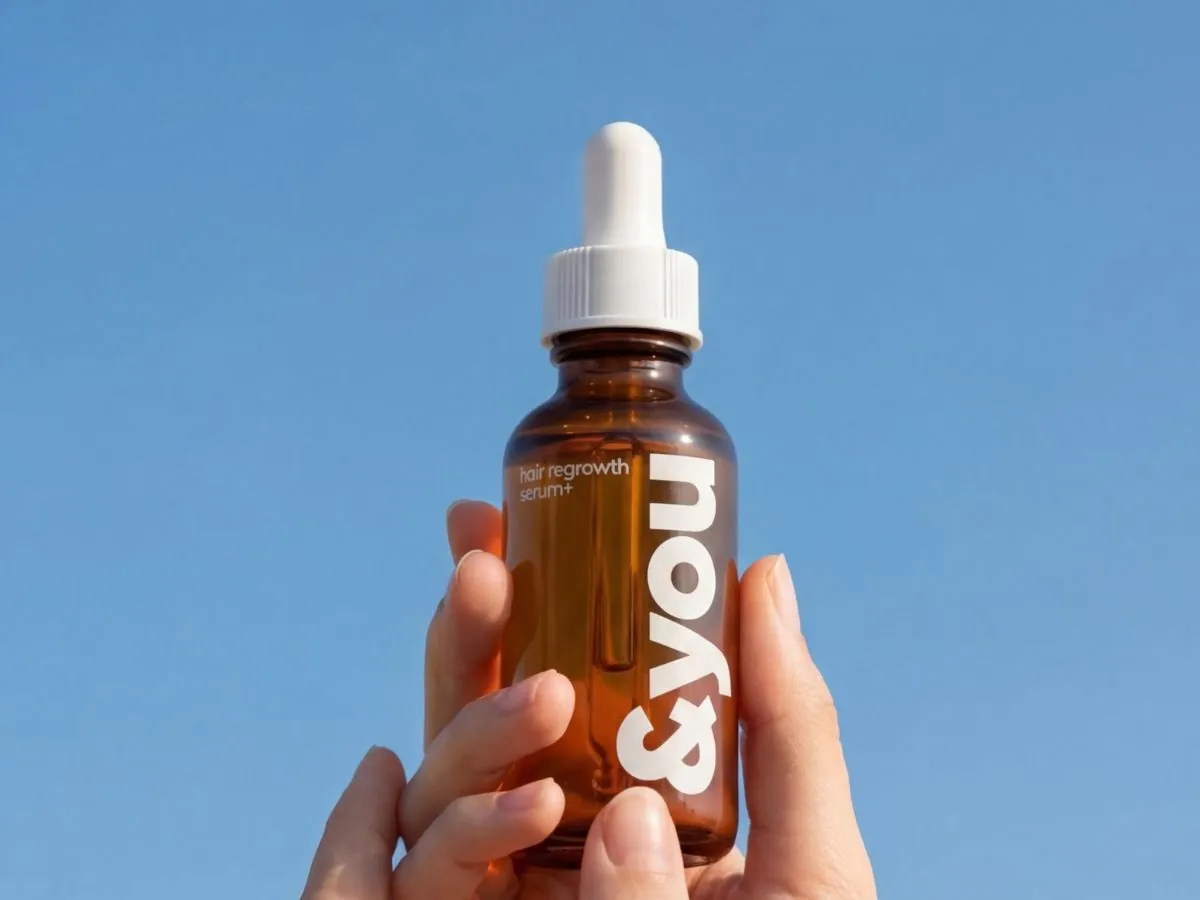
Post-Finasteride Syndrome: Is It Real and Should Filipino Men Be Worried?
Hair Health Team in Hair Regrowth
Finasteride is a common medication used to treat hair loss and prostate problems. Some men report ongoing side effects even after they stop taking the drug. Post-finasteride syndrome is recognized as a real condition by researchers, though debate continues about how common it is and why it happens.

Does Wearing a Helmet Every Day in Metro Manila Cause Hair Loss?
Hair Health Team in Hair Regrowth
If you commute by motorcycle or bike in Metro Manila, you've probably wondered whether your daily helmet use is causing the hair shedding you've noticed. Helmets themselves do not cause genetic baldness, but wearing a helmet incorrectly or wearing one that fits poorly can lead to a specific type of hair loss called traction alopecia .

Can Swimming in the Philippines Damage Your Hair?
Hair Health Team in Hair Regrowth
The tropical waters surrounding the Philippines look inviting, but they can take a toll on hair health. Yes, swimming in the Philippines can damage your hair because both saltwater and chlorinated pools strip away natural oils, leading to dryness, breakage, and color fading, especially when combined with the country's intense sun and high humidity . The ocean contains minerals like sodium chloride that pull moisture from hair strands, while pool chemicals like chlorine remove the protective oils that keep hair healthy.
Daily Health

How Sugar Is Affecting Your Testosterone, Hair, and Weight in the Philippines
Dr. Avegail Agbayani in Daily Health
Sugar consumption affects three key health areas that many people in the Philippines struggle with daily. When someone eats too much sugar, their body releases insulin to control blood sugar levels, but high insulin can decrease testosterone production, contribute to weight gain, and worsen hair loss . These effects happen to both men and women, though the symptoms may show up differently.

The Filipino Man's Annual Health Checkup: Which Tests to Get at 30, 40, and 50
Dr. Avegail Agbayani in Daily Health
Many Filipino men tend to delay medical visits until symptoms appear, but this approach can miss early warning signs of serious conditions. Regular health screenings at ages 30, 40, and 50 help detect diseases like diabetes, heart disease, and cancer before they become life-threatening. The specific tests a man needs change as he ages, with different health risks emerging at each decade.

How Alcohol Is Quietly Destroying Filipino Men's Health
Dr. Avegail Agbayani in Daily Health
Most Filipino men think alcohol only damages the liver, but this belief misses a much bigger problem. Alcohol caused more than 24,500 deaths in the Philippines in 2021, with men experiencing 21.1 deaths per 100,000 from liver cirrhosis alone and a staggering 136 deaths per 100,000 from cancer. The Department of Health has stated there is no safe level of alcohol consumption , yet many Filipino men continue drinking without understanding the full range of health risks they face.

Sunflower Oil vs Coconut Oil for Hair: Which Is Better for You?
Hair Health Team in Daily Health
Choosing between oils for hair care can feel overwhelming, but understanding the differences makes the decision easier. Coconut oil is better than sunflower oil for preventing hair damage and protein loss, making it the stronger choice for most hair types. Research shows that coconut oil reduces protein loss in both damaged and undamaged hair , while sunflower oil does not provide this benefit.

How to Lose Weight Without Giving Up Rice in the Philippines
Weight Loss Team in Daily Health
Rice sits at the center of almost every Filipino meal. From morning tapsilog to evening adobo, it's hard to imagine eating without it. Many people believe they need to give up rice completely to lose weight, but this creates a problem for Filipinos who grew up with rice as a dietary staple.

The Benefits of Meal Prepping for Busy Professionals: Save Time & Eat Healthier
Dr. Avegail Agbayani in Daily Health
Busy schedules often push healthy eating aside. Meal prepping gives professionals a practical way to stay consistent with food choices while managing long workdays and tight calendars. It turns eating well into a routine instead of a daily challenge.
Condition Guides

Seborrheic Dermatitis
Dr. Avegail Agbayani in Condition Guides
Seborrheic dermatitis is a common skin condition that causes itchy, flaky, and greasy patches, often on the scalp and face. It tends to flare up and calm down over time. Many people mistake it for simple dandruff, but it can affect more than just the scalp.

Prediabetes
Dr. Avegail Agbayani in Condition Guides
Prediabetes develops when blood sugar levels rise above normal but do not yet meet the range for type 2 diabetes . Many people live with it for years without clear symptoms. Prediabetes means blood sugar is higher than normal and raises the risk of type 2 diabetes, heart disease, and stroke.

Heart Disease
Dr. Avegail Agbayani in Condition Guides
Heart disease remains the leading cause of death in the Philippines, accounting for a significant portion of mortality rates nationwide. Despite advancements in medical science, many Filipinos remain unaware of the risk factors, symptoms, and preventive measures associated with cardiovascular diseases. Understanding heart disease and taking preventive actions early can make all the difference in living a longer, healthier life.

Male Hypogonadism
Dr. Avegail Agbayani in Condition Guides
Many men experience a gradual decline in energy, sexual drive, and muscle strength as they age. However, sometimes these symptoms signal an underlying medical condition called male hypogonadism, where the body produces insufficient testosterone . Testosterone is a key hormone that affects many aspects of a man’s physical and emotional health, including libido, mood, muscle mass, and bone density. Despite its significance, male hypogonadism often goes undiagnosed, especially in the Philippines, where cultural stigma and lack of awareness can discourage men from seeking help.

Premature Ejaculation
Dr. Avegail Agbayani in Condition Guides
Premature ejaculation can feel frustrating and confusing, especially when rapid climax happens sooner than he or his partner expects. It often shows up as early ejaculation within about one to three minutes of penetration, or even before it begins. Premature ejaculation means he ejaculates sooner than he wants during sex and feels little control over the timing.

Diabetes
Dr. Avegail Agbayani in Condition Guides
Diabetes is a long-term condition that affects how the body controls blood sugar. It develops when the body does not make enough insulin or cannot use it well. Diabetes causes high blood sugar , which can damage the heart, kidneys, eyes, and nerves if a person does not manage it properly.
Lifestyle Guides

Exploring Sexual Kinks
Dr. Avegail Agbayani in Lifestyle Guides
Curiosity about sexual kinks often starts with a simple question: why do certain ideas, objects, or power dynamics create strong desire? You might notice patterns in what draws someone in, or feel a pull toward something that feels outside the norm. That curiosity deserves clear facts, not shame or confusion.

GLP-1 Diet Plan
Dr. Avegail Agbayani in Lifestyle Guides
A GLP-1 diet plan helps a person eat in a way that supports appetite control, steady blood sugar, and muscle health while taking GLP-1 medications . These medications often reduce hunger and slow digestion, so food choices matter more than ever. A GLP-1 diet plan focuses on high-protein, high-fiber meals with balanced carbohydrates to support weight loss and protect muscle.

Stress-Induced Hair Loss
Dr. Avegail Agbayani in Lifestyle Guides
Noticing more hair in your shower drain or hairbrush lately? You're not alone. Many Filipinos experience sudden or gradual hair thinning especially during stressful life events. Whether it's from job pressure, family responsibilities, or even the hustle of daily life in Metro Manila, chronic stress can take a toll on your hair just as much as it does on your mind.

Weight Loss Diet Plan for Men
Dr. Avegail Agbayani in Lifestyle Guides
Men who want to lose weight face unique challenges compared to women. Men typically carry more visceral fat around their midsection and have different nutritional needs based on their muscle mass and metabolism. A weight loss diet plan for men should focus on creating a moderate calorie deficit while providing enough protein to preserve muscle mass and keep hunger under control.

What Is NAD+ and How Does It Impact Longevity?
Dr. Avegail Agbayani in Lifestyle Guides
People in the Philippines are hearing more about NAD+ for energy, brain function, and healthy aging. NAD+ stands for nicotinamide adenine dinucleotide, a molecule found in every cell that helps turn food into energy and supports repair systems. This guide explains what NAD+ does, how levels shift with age, what research says about longevity, and where lifestyle or medical care can help.

Methylene Blue for Brain Health: What Research Suggests
Dr. Avegail Agbayani in Lifestyle Guides
People in the Philippines are hearing more about methylene blue for memory, focus, and healthy brain aging. This guide explains what the medicine is, how it might influence neurons, what human studies actually show, and which safety rules matter most before anyone considers exposure outside a hospital setting. The aim is a clear, evidence‑based overview that stays practical and safe.
Labs

Why Blood Testing Is Different for Filipinos: What You Need to Know
&you Labs Team in Labs
Blood testing for Filipinos works differently than in the West. See which health risks show up earlier, and why the lab range on your report matters.
Optimal Vitamin D: Why 'Sufficient' Isn't the Same as Optimal
&you Labs Team in Labs
Sufficient vitamin D, above 20 ng/mL, prevents bone problems. Optimal, 40 to 60, supports far more. See what the research says and how to get there.
Optimal Uric Acid for Filipinos: What the Research Says About Gout Prevention
&you Labs Team in Labs
Filipinos face a higher gout risk, so the optimal uric acid is under 6 mg/dL. See what the research shows and how to bring a high number back down.
Optimal Hemoglobin and Hematocrit: What Healthy Looks Like
&you Labs Team in Labs
Lab ranges for hemoglobin are wide. The healthy target is tighter. See the optimal hemoglobin and hematocrit numbers for men and women, and why they matter.
Optimal HOMA-IR: The Score That Catches Problems Early
&you Labs Team in Labs
Optimal HOMA-IR is under 1.5, not the 2.5 most labs flag. See the simple formula, what your score really means, and why it moves years before HbA1c.
Optimal Omega-3 Index: The Target for Heart and Brain Health
&you Labs Team in Labs
The optimal omega-3 index is above 8%. Most adults sit far below it. See what the score means for your heart and brain, and how to raise a low one.