Caffeine Shampoos: Benefits and Limitations for Hair Health

Written by Hair Health Team
Updated
Hair loss products often promise fast results, and caffeine shampoos sit high on that list. Many people see claims about stronger roots, better growth, and less shedding. The real story sits between hope and proof, and it matters to know where science draws the line.
Caffeine shampoos may support scalp health and briefly stimulate hair follicles, but they do not reliably stop hair loss or regrow hair on their own. Studies show caffeine can reach hair follicles, yet strong clinical proof in real-world use remains limited.
This topic explores what caffeine shampoos can do well and where they fall short. It looks at practical benefits, realistic limits, and why expectations matter when choosing them as part of a hair care routine.
Key Benefits of Caffeine Shampoos
Caffeine shampoos focus on scalp-level support rather than medical treatment. They aim to stimulate hair follicles, improve scalp circulation, and support hair and scalp health, especially for people with thinning hair or early pattern hair loss.


Grow your hair, grow your confidence
Stimulating Hair Growth and Follicle Health
Caffeine shampoo delivers caffeine directly to the scalp during washing. The caffeine can reach the hair follicles for a short time and help stimulate hair follicles at the surface level. Lab studies show caffeine can encourage follicle activity, which supports hair growth in controlled settings.
This effect matters most for people in early stages of androgenetic alopecia, including male pattern hair loss and female pattern hair loss. Caffeine shampoos do not create new follicles, but they may help existing follicles stay active longer.
Some products, such as Alpecin, focus on short contact times to improve caffeine absorption. Research summarized in guides on how caffeine shampoo affects hair follicles shows these effects remain mild and supportive, not corrective.
Reducing Hair Thinning and Shedding
Caffeine shampoos may help reduce hair thinning by slowing down follicle miniaturization. Miniaturization occurs when hair strands grow finer and shorter over time, a common issue in pattern baldness. Caffeine may counter this process at the scalp surface.
Some studies suggest caffeine interacts with dihydrotestosterone (DHT), a hormone linked to hair loss. While evidence remains limited, this interaction explains why caffeine shampoos often target thinning hair rather than advanced hair loss.
According to reviews discussing the benefits of caffeine shampoo for thinning hair, users may notice less shedding during washing. The effect depends on consistent use and does not replace medical hair loss shampoo treatments.
Improving Scalp Circulation and Health
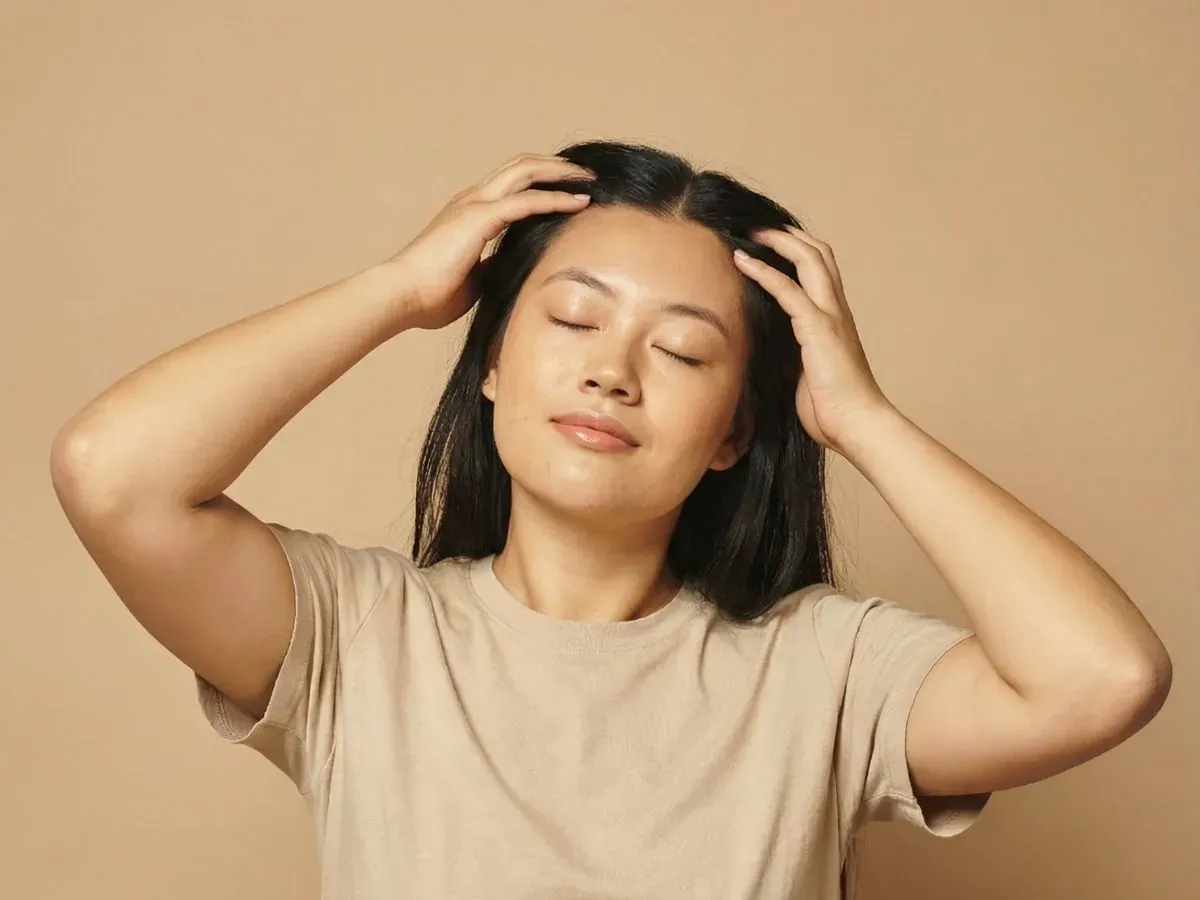
Massage during shampooing plays a major role in scalp circulation. Caffeine shampoos often encourage longer massage times, which increases blood flow to the scalp. Better circulation supports oxygen and nutrient delivery to hair follicles.
Improved scalp health can reduce buildup, excess oil, and irritation. A cleaner scalp creates better conditions for hair growth and hair regrowth efforts. This benefit applies to people without hair loss as well.
Articles outlining key benefits of caffeine shampoos for scalp health note that these products work best as part of a regular hair and scalp care routine, not as a one-time fix.
Preventing Hair Loss and Supporting Regrowth
Caffeine shampoos may help prevent hair loss by supporting follicles before damage becomes permanent. This matters most in early-stage pattern baldness, not in advanced cases with complete follicle loss.
They do not block DHT at a clinical level. Reviews evaluating whether caffeine shampoo works for hair loss show benefits remain cosmetic and temporary. Hair regrowth usually stops when use ends.
Still, caffeine shampoos can support other treatments. Many people use them alongside proven options like minoxidil to maintain scalp health and reduce hair thinning over time.
Limitations and Considerations
Caffeine shampoos can support scalp care, but they have clear limits for treating hair loss. Results vary based on the cause of hair thinning, product formula, and how early treatment begins.
Effectiveness Compared to Proven Treatments
Caffeine shampoos do not perform at the same level as proven hair loss treatments like minoxidil or finasteride. Doctors widely use these treatments because clinical trials show they slow hair loss and support regrowth.
Most caffeine shampoos stay on the scalp for a short time. This limits absorption into hair follicles. A recent review of clinical trials found mixed results, with many studies rated as low-quality due to weak study design, as noted in a review of topical caffeine studies for hair loss.
Caffeine shampoos may help during early signs of balding, but they do not replace medical options. Advanced baldness often needs stronger solutions such as PRP therapy, hair transplant surgery, or prescription drugs used in hair restoration plans.
Potential Side Effects and Risks
Most people tolerate caffeine shampoos well, but side effects can occur. The most common issues include scalp irritation, dryness, and itching. These reactions often relate to added ingredients rather than caffeine itself.
Formulas that include ketoconazole, niacinamide, or high levels of fragrance may increase irritation for sensitive skin. People with psoriasis or eczema face a higher risk of flare-ups.
Frequent use can also lead to product buildup, especially when shampoos contain heavy conditioners or oils like castor oil. Buildup may weigh hair down and worsen the look of thinning. Ingredients such as glycerin can help with moisture, but they do not prevent irritation in all users.
Grow your hair, grow your confidence
Who Should and Shouldn't Use Caffeine Shampoos
Caffeine shampoos work best for people with mild hair thinning or those seeking support alongside other hair loss treatments. They may suit users who cannot tolerate minoxidil or want a simple addition to a routine.
They do not suit people expecting regrowth from shampoo alone. Those with advanced hair loss or long-term baldness usually need medical care or procedures like hair transplant surgery.
People with chronic scalp conditions, severe irritation, or known allergies should avoid these products or test them first. Anyone already using prescription hair loss treatment should check ingredient overlap to avoid irritation.

The &you Hair Health Team delivers expert, science-backed care for hair loss. With personalized plans, trusted treatments like Minoxidil and Finasteride, and ongoing support, we help Filipinos take control of their hair health with confidence and clarity.
This content is provided for educational purposes only and is not intended as medical advice. It should not replace professional medical consultation, diagnosis, or treatment. Please consult a qualified healthcare provider to discuss the risks and benefits of any treatment option.