Scalp Massage Techniques to Boost Circulation and Hair Growth
Scalp massage improves scalp circulation by applying steady pressure to the skin. This action supports hair follicles, encourages follicle stimulation, and helps improve scalp health when done with care and consistency.
How Scalp Massage Improves Blood Flow
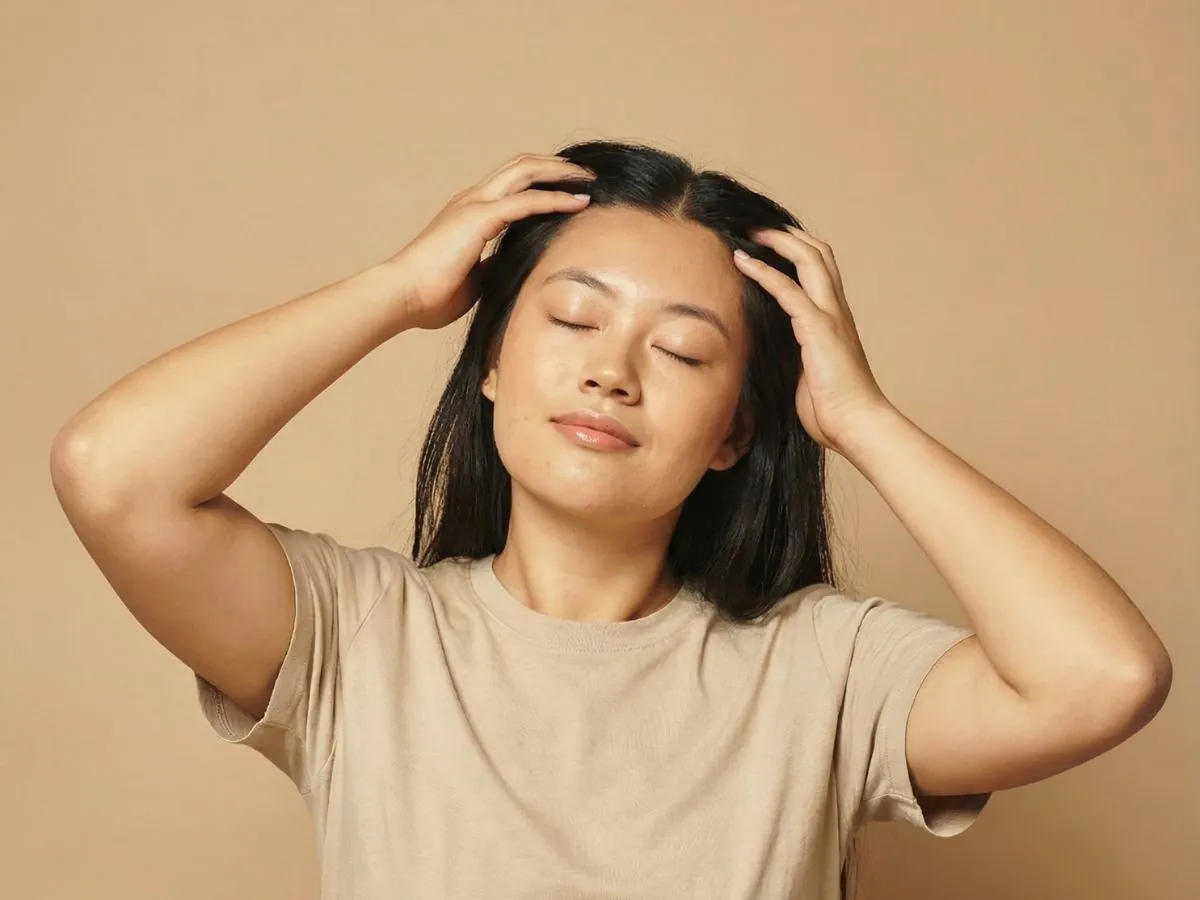
Scalp massage works by pressing and moving the skin over the skull. This motion helps improve blood circulation in the scalp and supports steady scalp blood flow.
Better circulation delivers more oxygen and nutrients to hair follicles. Over time, this process may help stimulate hair follicles and support thicker hair. Small studies reviewed in research on scalp massage and hair growth show thicker hair in people who massage daily.
Massage also reduces scalp tension. Lower tension can help keep follicles in a healthy growth cycle. Gentle pressure matters more than force, since rough handling may irritate the scalp.
Effective Hand Massage Methods
Hands remain the simplest scalp massage tools. They allow better pressure control and full scalp coverage.
Common massage techniques for hair growth include:
- Circular motions using fingertips to move the scalp skin
- Kneading by lifting and rolling the scalp gently
- Tapping with light finger pads to increase scalp stimulation
- Knuckling for thicker areas near the crown
Each method supports scalp circulation in a different way. Many guides, including steps outlined in how to do a scalp massage properly, suggest 5–10 minutes per session. Slow, even movements help avoid friction and protect the hair shaft.
Incorporating Essential Oils for Enhanced Benefits
Essential oils can support scalp massage when used correctly. They add slip, reduce pulling, and help with scalp cleansing.
Some oils, such as peppermint or rosemary, may support circulation when diluted. Research summaries on essential oils used during scalp massage note possible benefits, though evidence remains limited.
Always mix essential oils with a carrier oil like coconut or jojoba. This protects the scalp barrier and reduces irritation. Oil massage also supports mild scalp exfoliation by loosening buildup. Clean the scalp after oil use to avoid clogged follicles.
Using Scalp Massagers and Brushes
Scalp massagers and brushes offer consistent pressure and easy use. Many people prefer tools for daily routines.
Popular options include:
Tool Type | Key Benefit |
|---|
Scalp massage brush | Helps with scalp cleansing during washing |
Soft-bristled brush | Gentle scalp stimulation without scratching |
Silicone scalp massagers | Even pressure and easy cleaning |
Guides on using scalp massage tools effectively recommend light pressure and short sessions. Tools should glide over the scalp, not drag hair. Clean tools often to support scalp detox and reduce buildup.
Maximizing Scalp Health with Daily Massage Routines
Daily scalp massage supports scalp health by improving circulation, easing tension, and supporting healthy hair growth. A simple routine, done with the right pressure and tools, can reduce stress, limit scalp irritation, and support long-term hair density.
Building a Healthy Scalp Care Routine
A daily scalp massage works best when it fits into a regular hair care routine. Most people benefit from 5–10 minutes each day using light to medium pressure. This habit supports improved circulation, which helps deliver oxygen and nutrients to hair follicles and may support hair growth and increase hair thickness over time.
Many dermatology writers note that consistent massage helps maintain a healthy scalp by keeping tissues flexible and relaxed, as described in this guide on daily scalp massage benefits for circulation and scalp health.
Helpful basics include:
- Clean hands or a clean scalp massage tool
- Dry scalp or a small amount of carrier oils like jojoba oil
- Slow circular motions, similar to shampooing
Adding biotin through diet or supplements may support healthy hair growth, but massage remains the core habit.
Tips for Scalp Massage at Home
Scalp massage at home should feel calming, not painful. Fingertips work well, but soft-bristle tools can help apply even pressure. Certified therapists often recommend rotating techniques to target different pressure points, as outlined in these proven scalp massage techniques for hair growth.
Simple tips improve results:
- Use small circles from the hairline to the crown
- Keep nails off the scalp to avoid irritation
- Apply essential oils only when diluted
Many people use rosemary oil or peppermint oil mixed with jojoba oil. A warm towel wrapped around the head for two minutes after massage can help oils absorb and support relaxation.
Managing Irritation and Reducing Stress
Scalp massages help reduce stress by triggering the body’s relaxation response. This response lowers muscle tension and may ease tension headaches linked to tight scalp muscles. Stress relief also matters because long-term stress can worsen hair shedding and slow healthy regrowth.
To avoid scalp irritation:
- Use gentle pressure
- Limit massage to once daily if redness appears
- Avoid essential oils on broken skin
Writers covering scalp care note that steady massage can support circulation while calming the nervous system, as explained in this overview of how scalp massage improves blood flow and scalp comfort.
When to Consult a Dermatologist or Trichologist
Massage supports a healthy scalp, but it cannot treat every form of hair loss. People with sudden shedding, itching, pain, or patchy loss should seek a dermatologist. Those with thinning linked to androgenic alopecia may also benefit from seeing a trichologist for targeted care.
Professional help matters when:
- Hair loss continues despite consistent care
- Scalp irritation does not improve
- There is concern about reduce hair loss or increase hair density safely
Experts can confirm the cause and explain how scalp massages fit into a broader treatment plan focused on long-term scalp health.
.avif&w=256&q=75)