Comparing Natural Remedies and Prescription Hair Treatments
Natural remedies and prescription medications address hair loss in very different ways. One focuses on daily support for scalp and hair health, while the other targets known biological causes of hair thinning with tested drugs.
Effectiveness for Hair Loss and Hair Thinning
Prescription medications show stronger and more consistent results for treating hair loss. Drugs like minoxidil and finasteride have clinical backing for slowing hair thinning and supporting regrowth, as explained in this comparison of medical treatments like minoxidil and finasteride. Results often appear after several months of steady use.
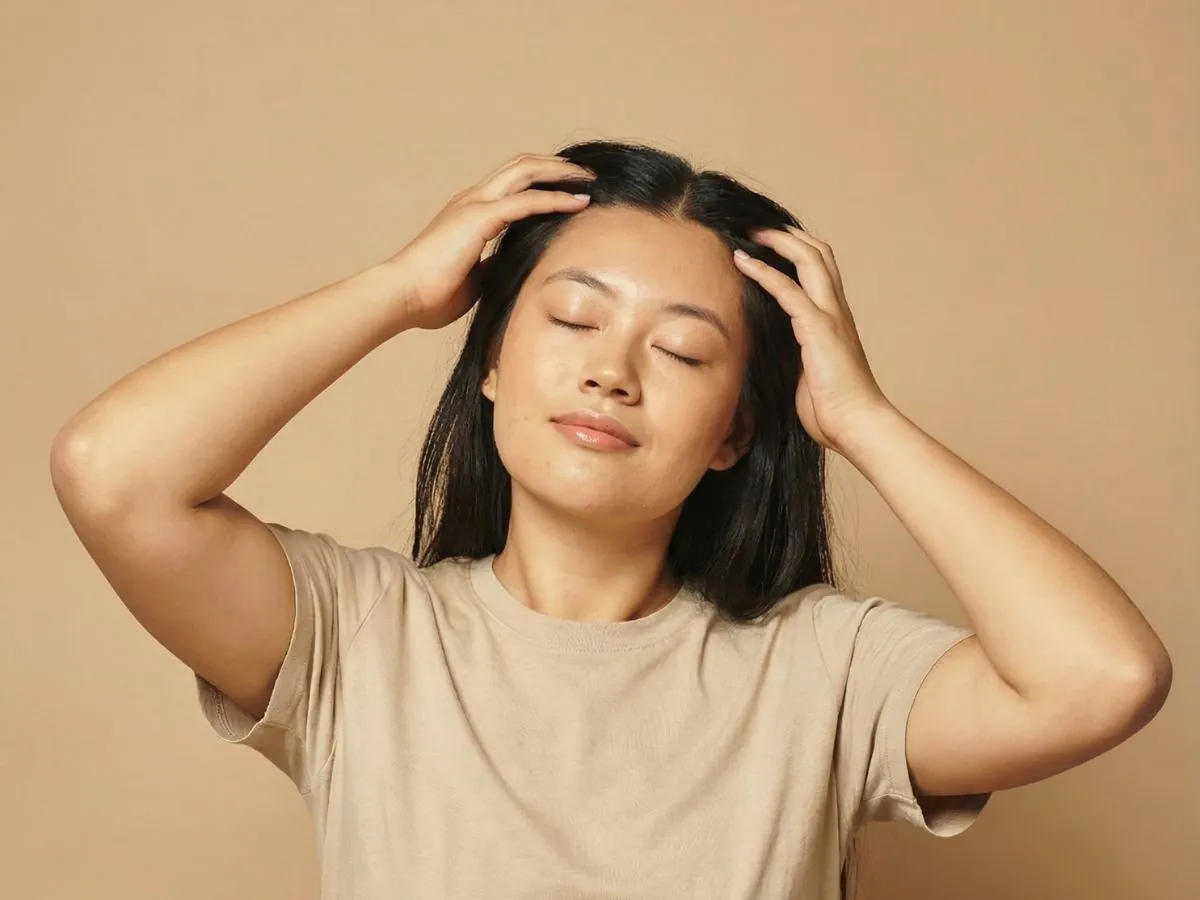
Natural remedies for hair loss focus more on support than reversal. Options like scalp massage, essential oils, and diet changes may improve scalp health and reduce breakage. Evidence varies, and results tend to be mild. A detailed review of natural remedies versus clinical treatments for hair issues notes that these methods work best for early hair thinning.
Approach | Best Use Case | Typical Results |
|---|
Prescription medications | Ongoing hair loss | Slows loss, some regrowth |
Natural remedies | Mild thinning | Healthier hair, less shedding |
Key Differences in Mechanisms and Ingredients
Prescription medications act on known causes of hair loss. Finasteride lowers DHT, a hormone linked to male pattern hair loss. Minoxidil increases blood flow to hair follicles to extend growth cycles. These targeted actions explain why many clinics favor them, as shown in this overview of medical vs. natural hair loss treatments.
Natural remedies rely on nutrients and plant compounds. Common ingredients include rosemary oil, saw palmetto, and vitamins like zinc and iron. These support scalp health and hair strength but do not directly block hormones or change growth cycles. Guides comparing natural and medical hair loss solutions often note this key difference.
Safety Considerations and Side Effects
Prescription medications carry known risks. Minoxidil may cause scalp irritation or shedding at the start. Finasteride may cause sexual side effects in a small number of users. Doctors usually recommend medical review before long-term use.
Natural remedies tend to have fewer serious risks. Still, essential oils can irritate the scalp, and supplements may interact with other medications. Even gentle options should follow safe use guidelines. Articles comparing natural remedies and medical treatments for hair loss stress the importance of matching the method to the person’s health history and goals.
Detailed Overview of Common Hair Loss Solutions
People choose hair loss solutions based on cause, speed of loss, and comfort with risk. Options range from natural remedies for hair to medical treatments for hair loss and advanced procedures that target follicle health and hair regrowth.
Popular Natural Options: Saw Palmetto, Biotin, and Herbal Treatments
Many people start with natural remedies for hair because they feel lower risk and easier to use. Saw palmetto may help reduce dihydrotestosterone (DHT) , the hormone linked to androgenetic alopecia, though results vary by person. It appears in oral supplements and topical treatments.
Biotin supports keratin production and helps people with true deficiency. It does not reverse genetic hair loss on its own. Common herbal options include rosemary oil and green tea , which may support scalp health and blood flow.
Some routines also include scalp massage to improve circulation. These options often work best for mild thinning, not advanced hair loss.
Leading Prescription Treatments: Finasteride, Minoxidil, and Propecia
Doctors often recommend prescription treatments for pattern hair loss. Finasteride, also sold as Propecia , lowers DHT levels and helps slow follicle shrinkage in androgenetic alopecia. Men usually take it as a daily pill, and results depend on consistent use.
Minoxidil, known by the brand Rogaine , is a topical treatment used by both men and women. It helps extend the growth phase of hair follicles. Shedding can occur early and often signals a response.
These medical treatments for hair loss require long-term use. Stopping them usually leads to renewed hair thinning within months.
Advanced Procedures: Hair Transplants, PRP, and LLLT
Advanced options suit people with stable hair loss who want visible density. Hair transplant surgery moves follicles from dense areas to thinning areas. Surgeons use follicular unit transplantation (FUT) or follicular unit extraction (FUE) based on donor supply and scarring preference.
PRP therapy uses platelet-rich plasma from the patient’s blood. It aims to support follicle activity and scalp health. Results vary and require repeat sessions.
Low-level laser therapy (LLLT) uses light to stimulate follicles. Devices range from caps to in-office systems. It may support hair regrowth when used regularly.
Integrative Approaches and When to Consult a Trichologist
Many people combine treatments to address hair loss from different angles. A common plan pairs minoxidil with finasteride, or natural options with topical treatments. This approach aims to slow loss while supporting regrowth.
A trichologist evaluates scalp health, shedding patterns, and lifestyle factors. They may identify nutrition gaps, stress triggers, or scalp conditions that affect results.
Consultation matters when hair loss accelerates, becomes patchy, or fails to respond to treatment. Professional guidance helps match the solution to the cause.
.avif&w=256&q=75)