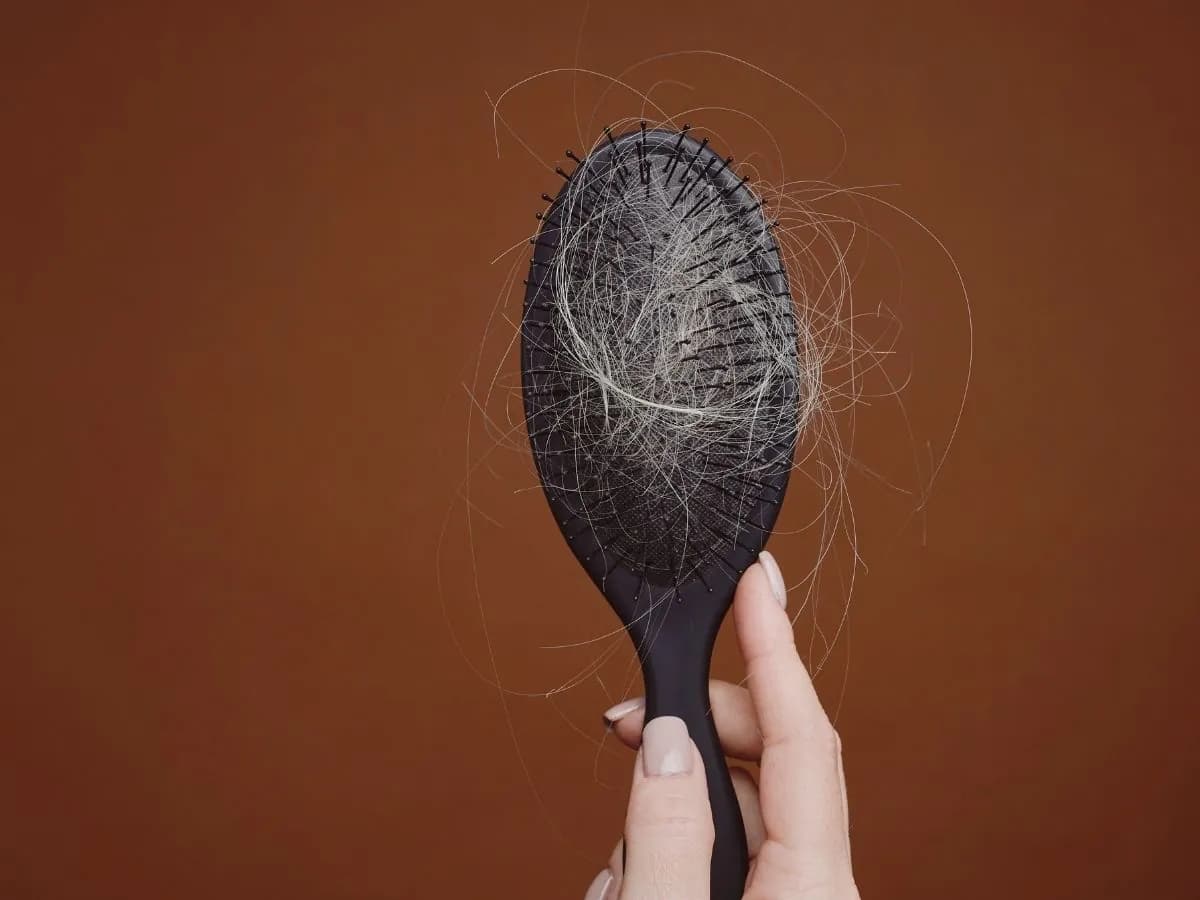
Key Causes and Risk Factors of Hair Loss
Hair loss happens for many reasons, from inherited traits to hormonal shifts and medical problems. The most common patterns stem from genetics, while others result from conditions that affect the scalp or body. Understanding what drives it helps people take earlier, more effective action.
Genetics and Pattern Baldness
Inherited genes play a major role in androgenic alopecia, the most frequent cause of permanent hair loss in both men and women. Often called pattern baldness, it typically appears as a receding hairline in men and diffuse hair thinning at the crown in women. Family history strongly predicts who will experience it.
In this form of alopecia, hair follicles gradually shrink. The smaller follicles produce shorter, finer strands until growth stops completely. Over time, the scalp becomes more visible. According to the American Academy of Dermatology, this pattern can begin any time after puberty and tends to progress with age.
While no cure exists, treatments such as topical medications, low-level laser therapy, or hair transplantation can slow or partially reverse the process. Managing stress and maintaining scalp health may also help preserve existing hair for longer.
Hormonal Changes and Aging
Hormone levels influence how hair grows, sheds, and renews. Shifts in androgen, estrogen, or thyroid activity can lead to noticeable thinning or excess shedding. For many, hormonal fluctuations related to pregnancy, menopause, or thyroid imbalance trigger temporary hair loss that improves once levels normalize.
Aging itself alters hormone balance and hair follicle activity. The growth phase shortens, new strands grow thinner, and pigment cells decline. This combination leads to finer hair and patches of exposed scalp. The Mayo Clinic notes that these natural changes often occur gradually but can be worsened by stress, illness, or nutritional deficiencies.
Simple lifestyle adjustments such as balanced diet, gentle scalp care, and medical monitoring of hormones can support hair preservation even as aging continues.
Medical Conditions and Hair Disorders
Certain health conditions and autoimmune disorders damage follicles or interrupt growth cycles. Examples include alopecia areata, which causes patchy bald spots, lupus, and thyroid diseases. Infections like ringworm of the scalp can also cause temporary hair loss until treated.
Medication side effects, including those from chemotherapy, antidepressants, or blood pressure drugs, may cause hair to fall out. According to WebMD’s overview of alopecia types, some forms are reversible once the underlying issue is addressed.
A brief comparison may help illustrate different triggers:
Cause Type | Example | Duration | Treatable |
|---|
Autoimmune | Alopecia areata | Often temporary | Yes |
Infectious | Scalp ringworm | Temporary | Yes |
Medication-induced | Chemotherapy | Temporary | Yes |
Chronic Disease | Thyroid disorder | Ongoing | Manageable |
Seeking medical evaluation ensures proper diagnosis and helps guide treatment to protect remaining hair.
Common Types of Hair Loss and Treatment Options
Hair loss can appear as thinning across the scalp, small bald patches, or sudden shedding. Understanding how each type develops and which treatments help most allows people to make informed decisions about recovery and regrowth.
Androgenic Alopecia and Male Pattern Baldness
Androgenic alopecia, often called male pattern baldness, is the most common cause of hair loss in both men and women. It occurs when hair follicles become sensitive to dihydrotestosterone (DHT), a hormone derived from testosterone. This sensitivity shortens the hair growth cycle, leading to thinner and shorter strands over time.
Men usually notice a receding hairline or thinning at the crown, while women experience diffuse thinning across the scalp. Genetics play a major role in determining who develops this condition.
Common treatments include minoxidil, finasteride, and low‑level laser therapy. In more advanced cases, hair transplant surgery may restore fuller coverage. According to MedicineNet, androgenic alopecia causes non‑scarring hair loss where follicles remain intact but produce finer hairs. Managing DHT levels and promoting follicle health remain key to slowing progression.
Alopecia Areata and Patchy Hair Loss
Alopecia areata causes sudden, patchy hair loss on the scalp, beard, or eyebrows. It’s an autoimmune condition where the immune system mistakenly attacks the hair follicle, halting growth. Sometimes patches grow back on their own, while other times new spots appear.
Triggers may include stress, illness, or genetic factors. Unlike scarring alopecia's, follicles are not destroyed, meaning regrowth is often possible.
Treatment focuses on calming the immune response and stimulating growth. Options include corticosteroid injections, topical immunotherapy, and minoxidil. As described by WebMD, the pattern and severity vary greatly among individuals. Consistent monitoring helps track improvement and prevent new flare‑ups.
Telogen Effluvium and Temporary Shedding
Telogen effluvium is a form of temporary hair shedding that happens when many follicles enter the resting (telogen) phase at once. It often follows physical or emotional stress, surgery, childbirth, or certain medications.
People typically notice excess hair on pillows or in the shower rather than defined bald spots. The scalp looks thinner, but new hair usually grows back once the underlying cause resolves.
Treatment focuses on identifying and correcting triggers. Eating a balanced diet, managing stress, and avoiding harsh hair treatments can support recovery. As explained by Crown Clinic, this condition usually improves within months without permanent damage. Tracking shedding patterns helps distinguish telogen effluvium from other chronic types of alopecia.
.avif&w=256&q=75)