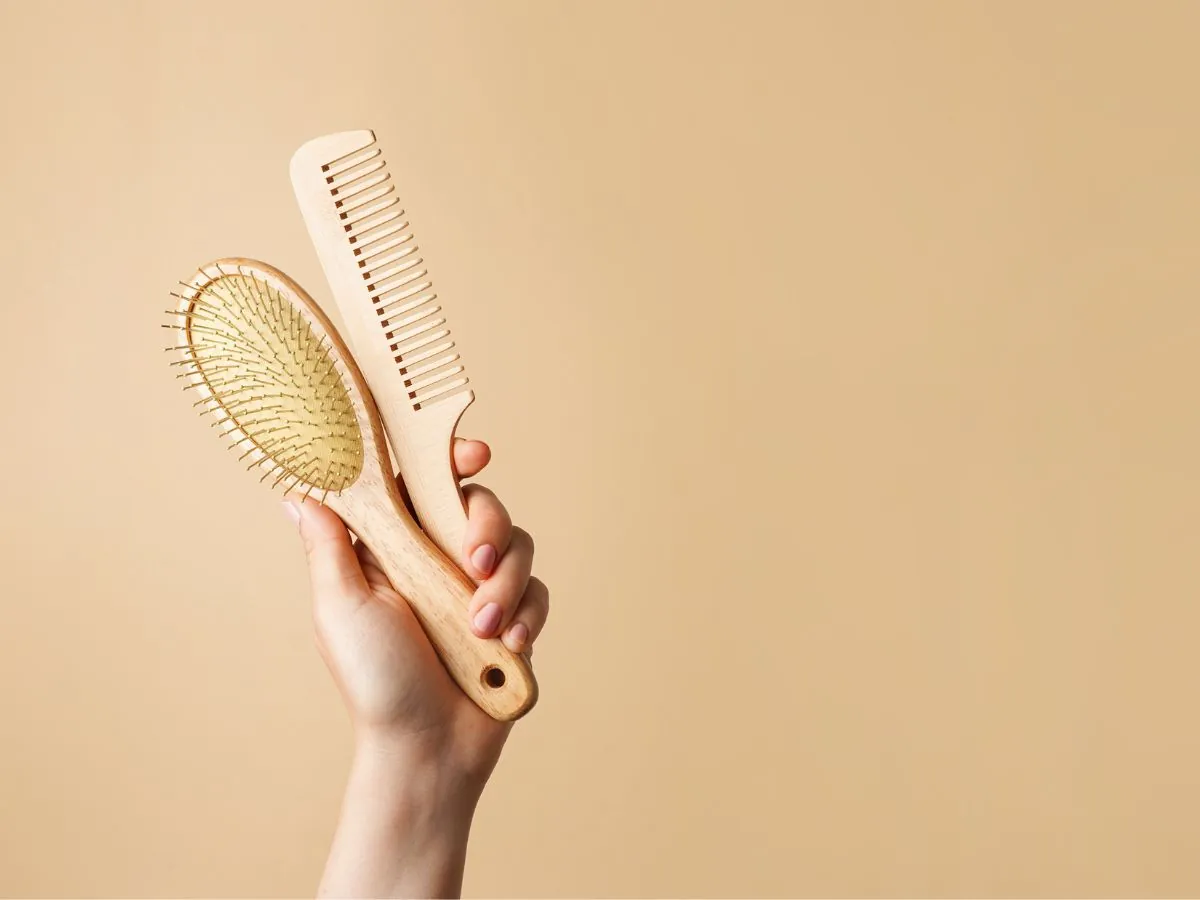
How the Right Comb Reduces Breakage and Improves Hair Health
The right comb plays a direct role in limiting breakage and supporting long-term hair health. Material, tooth shape, and spacing all affect how hair responds during daily grooming and styling.
Key Benefits of Using the Correct Comb
Using the correct comb lowers stress on hair strands during detangling and styling. Wide, smooth teeth reduce pulling, which helps hair keep its natural strength. This matters most when hair is wet, since wet hair stretches and breaks more easily.
A well-made hair comb also limits static and friction. Materials like wood or carbon fiber glide through hair instead of scraping it. This supports a steady hair care routine and keeps strands intact over time.
Guides that outline the must-have features of a quality hair comb often highlight smooth edges and strong materials because these details reduce daily damage.
Common Causes of Hair Breakage from Wrong Comb Choices
The wrong comb creates repeated damage in small ways. Fine-tooth plastic combs can snag knots, leading to split ends and snapped strands. Sharp seams along the teeth cut into hair instead of separating it.
Using one comb for all tasks also causes problems. Detangling thick or curly hair with a narrow comb increases tension. Styling wet hair with the same tool adds even more strain.
Articles that explain different types of combs and their uses often stress matching tooth width and material to hair type. That match reduces breakage caused by poor tool choices.
Distributing Natural Oils Through Proper Combing
Proper combing helps distribute natural oils from the scalp down the hair shaft. These oils protect hair, limit dryness, and add softness without products. A comb with wider teeth spreads oil evenly instead of stripping it away.
Wood and horn combs work well for this purpose. They reduce static, which keeps oils from building up in one area. Slow, gentle strokes help move oil from roots to ends.
Many hair care guides on choosing the right comb for healthy hair note that oil distribution supports shine and reduces brittle ends when done with the proper tool.
Combing and Scalp Care: Circulation and Health
Scalp care affects hair health more than many people expect. Rounded comb teeth massage the scalp during use, which supports healthy circulation. Better circulation helps deliver nutrients to hair roots.
A comb that feels smooth on the scalp encourages regular use. That consistency keeps buildup low and supports a clean base for hair growth. Harsh combs often cause people to rush or avoid proper grooming.
Studies and care tips that explain how the right comb supports scalp health often point to gentle pressure and rounded teeth as key factors in maintaining comfort and long-term scalp condition.
Selecting the Best Comb for Your Hair Type
The right comb choice depends on tooth spacing, hair texture, and the condition of the hair. Material, design, and use case all affect how much stress the comb puts on the strands during daily grooming.
Understanding Tooth Spacing and Combing Needs
Tooth spacing plays a major role in how a comb moves through hair. Wide-tooth combs allow strands to pass through with less pulling. They work well for thick, curly, or coily hair and help when detangling wet hair, which breaks more easily.
Fine-tooth combs place strands closer together. They suit straight, thin, or flat hair that needs control and smooth parting. These combs help with detail work but can cause breakage if used on knots.
Hair that tangles often benefits from detangling comb s with flexible or staggered teeth. Guides on types of combs and tooth spacing explain how spacing affects tension and breakage.
Types of Combs and Their Uses
Different types of combs serve clear purposes. A tail comb supports clean parts and sectioning for styling. It works best on dry hair and controlled styles.
A detangling comb helps remove knots with less force. Many people use it right after washing, especially when hair feels fragile. Some prefer a wide-tooth comb over a paddle brush for early detangling to reduce pulling.
Fine styling often uses a fine-tooth comb, while everyday grooming favors wider spacing. Retail guides on best hair comb types for daily use show how matching the comb to the task lowers breakage risk.
Recommended Combs by Hair Texture and Condition
Hair texture and condition guide the best comb for your hair type. Thick or curly hair responds better to wide teeth that avoid snagging curls. Straight or thin hair benefits from fine teeth for smooth results.
Damaged or chemically treated hair needs a high-quality comb with smooth edges. Detangling combs reduce stress on weak strands. Wet hair should never face tight spacing or sharp seams.
The table below shows practical matches:
Hair Type or Condition | Best Comb for Hair |
|---|
Curly or Coily | Wide-tooth comb |
Fine or Straight | Fine-tooth comb |
Wet or Fragile | Detangling comb |
Styling and Parting | Tail comb |
Consumer reviews on best combs for different hair textures highlight similar matches.
Comb material affects friction, heat, and scalp comfort. Plastic combs remain common because they cost less and resist water. A heat-resistant comb works better with dryers or straighteners.
A wooden comb reduces static and feels gentler on the scalp. Many people choose it for daily use. A horn comb offers smooth edges and low friction but costs more.
Metal combs provide strength and precision. They suit barbers and controlled styles but can feel harsh on sensitive scalps. Articles on choosing the right comb material explain how material choice supports the best comb for your hair.
.avif&w=256&q=75)