Hair Care Routines for Men With Oily Scalps: Proven Steps & Products

Written by Hair Health Team
Updated
Men with oily scalps often struggle to keep their hair looking clean and fresh throughout the day. Excess sebum builds up quickly, making hair appear greasy even after a recent wash. The key to managing an oily scalp is following a consistent routine that balances oil production without stripping the scalp of its natural moisture.
A well-planned routine focuses on choosing the right shampoo, using lightweight products, and washing with the correct frequency. Regular scalp care also plays a major role in maintaining healthy hair growth and a clean, refreshed look. Men who understand how to control scalp oils often find their hair feels softer and looks better with less effort.
As grooming trends change, practical habits and smart product choices make all the difference. From advanced cleansing techniques to natural solutions like tea tree oil shampoos and scalp-friendly tools, building a balanced routine helps control shine and improve hair texture over time.
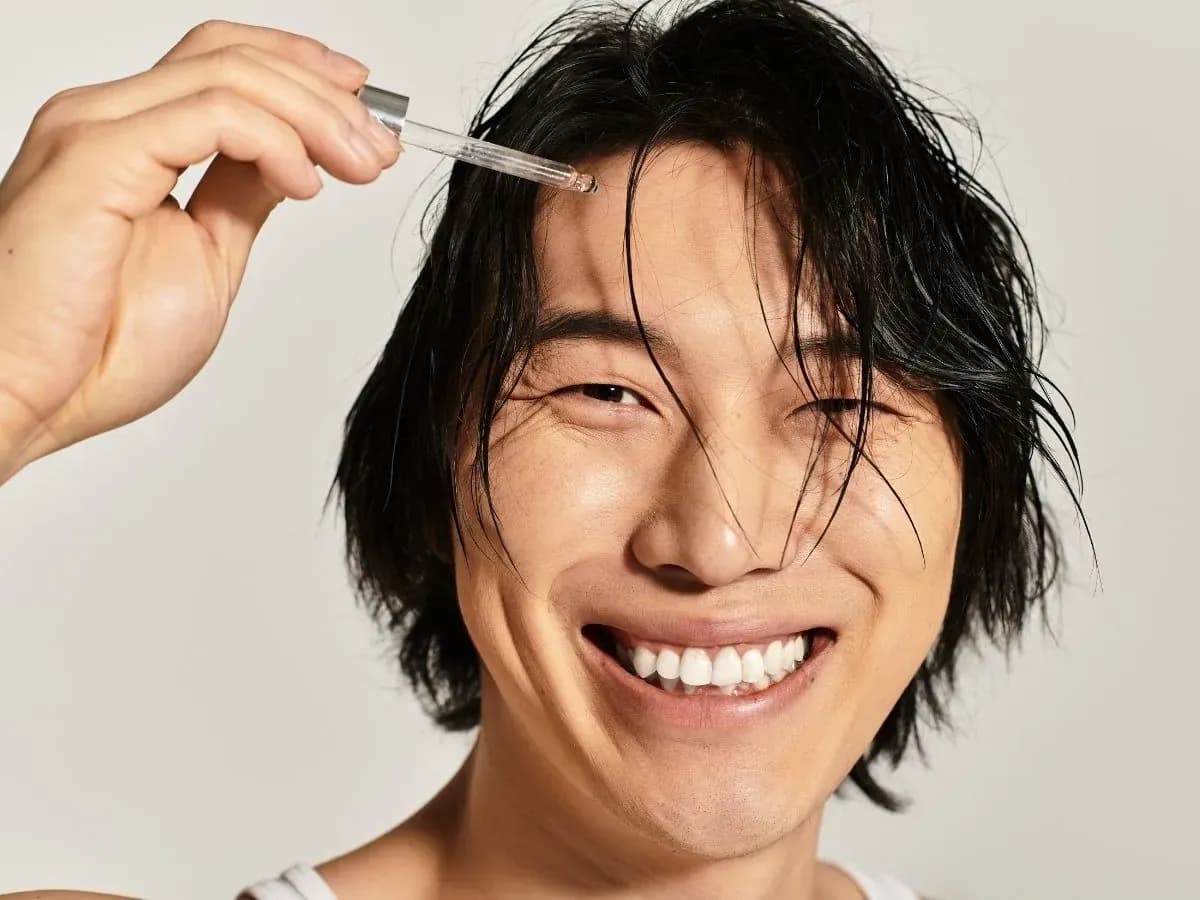
Essential Hair Care Routines for Oily Scalps
Men with oily scalps need consistent hair care habits that manage sebum buildup, reduce greasiness, and maintain a clean, balanced scalp. Effective care includes using targeted shampoos, proper washing schedule s, and ingredient awareness to keep hair healthy without excessive stripping or dryness.


Grow your hair, grow your confidence
Understanding Oily Scalp Causes
Oily scalps occur when sebaceous glands produce excess sebum. This buildup makes hair look flat or greasy and attracts dirt quickly. Hormonal changes, diet, genetics, humidity, and overwashing can all increase oil production.
Stress also plays a measurable role by triggering cortisol spikes, which heighten sebum activity. Men who work out often may notice faster oil buildup due to sweat mixing with sebum.
A simple scalp assessment can help identify patterns. If hair feels slick less than a day after washing, the scalp likely overproduces oil. Learning each trigger helps tailor the right hair care routine to manage it effectively while keeping the scalp balanced.
Daily and Weekly Washing Techniques
An oily scalp benefits from a structured wash schedule rather than daily scrubbing. Washing every other day with a mild clarifying shampoo prevents rebound sebum production. Hot water can worsen oil buildup, so lukewarm rinses work best.
Those who need daily cleansing can use lightweight or sulfate-free formulas. Using a clarifying shampoo once or twice weekly removes deeper residue from styling products. Men who sweat often can rinse with water between washes to remove surface oil without shampoo.
Proper technique:
- Massage shampoo gently into the scalp for 30 seconds.
- Rinse thoroughly to avoid leftover residue.
- Apply conditioner only on mid-lengths and ends to prevent flatness.
Teaming controlled washing with dry shampoo between sessions helps extend freshness without overloading the scalp.
Best Ingredients and Products for Oily Hair
Choosing the right formulation matters more than frequency of washing. Ingredients like salicylic acid, tea tree oil, and zinc gently dissolve excess oils and keep follicles clear. Lightweight conditioners containing panthenol or hydrolyzed proteins strengthen strands without heavy coating.
Products with natural antifungal agents, such as tea tree oil, help prevent dandruff linked to oily conditions. Using balanced shampoo and conditioner pairs is ideal; for example, a product like Kérastase Specifique Balancing Shampoo supports sebum control while maintaining hydration.
Men with fine or thinning hair can select keratin-infused cleansers, which reinforce strands against breakage. When combined with weekly exfoliating scalp care, these formulations maintain healthy oil levels and reduce buildup.
Mistakes to Avoid with Oily Scalps
Overwashing tops the list of mistakes. Frequent cleansing removes essential oils, forcing glands to produce even more sebum. Using heavy, silicone- or oil-rich conditioners near the roots also worsens greasiness.
Avoid using hot styling tools daily. Heat stimulates glands and can increase oil at the scalp’s surface. Men should also skip harsh alcohol-based styling gels or sprays, which dry the scalp and destabilize oil balance.
Improper product layering is another issue. Mixing thick creams, serums, and waxes clogs pores and attracts dirt. To maintain clarity, use light, water-based finishing products and wash them out completely. Following these precise steps reduces the most common causes of imbalanced scalp conditions.
Styling, Treatments, and Long-Term Scalp Health
Consistent care helps men with oily scalps maintain balanced hair without weighing it down. Choosing the right styling products, using conditioners carefully, and focusing on scalp health can reduce buildup and support stronger hair over time. With the right approach, oily roots can stay fresh while ends remain hydrated and healthy.
Smart Styling Choices for Oily Hair
Men with oily scalps should select lightweight styling products. Pomades that are water-based often work better than heavy waxes or oil-based alternatives because they rinse out easily and avoid pore blockage. A matte finish or clay formula helps absorb excess oil while keeping hair manageable throughout the day.
Using too much product increases buildup, which can make the scalp appear greasy. Applying a pea-sized amount and styling with clean hands prevents extra oil transfer. On very humid days, swapping thick gels for a light styling cream helps reduce shine without flattening volume.
For daily hairstyling, it’s smart to wash out products thoroughly. Men can follow up with a mild cleanser or scalp-focused shampoo like those discussed in Healthy Scalp Routine for Longer, Stronger Hair. Consistent cleansing ensures residue does not trap dirt or bacteria.
Using Conditioners and Treatments Wisely
Conditioning plays an important role in preventing dry ends, even with an oily scalp. Using a leave-in conditioner sparingly on mid-lengths and ends keeps strands soft while avoiding the roots. Applying conditioner only from the ear-level down helps balance moisture and oil distribution.
Weekly deep conditioning sessions help repair hair damage from styling or environmental exposure. Ingredients like coconut oil or aloe-based formulas can hydrate without clogging follicles. Men should select “for oily hair types” labels and avoid products with heavy silicones that may cling to the scalp.
A 2-column table like the one below organizes ideal treatment habits:
Treatment Type | Best Frequency and Area of Use |
|---|---|
Lightweight conditioner | 2 to 3 times per week, on ends only |
Deep conditioning mask | Once weekly, avoid scalp area |
Leave-in conditioner | As needed, focus on dry hair tips |
A balanced treatment plan supports consistent texture and long-term scalp comfort.
Managing Hair Fall and Thinning
Oily buildup can trap dead skin and block follicles, which may contribute to hair fall and thinning hair. Gentle scalp exfoliation once a week can remove residue and promote better air circulation around the roots. Products formulated for oily and thinning hair types usually contain mild acids like salicylic acid to clear excess sebum.
Men noticing a receding hairline or increased shedding can choose strengthening shampoos that contain biotin or niacin. Practicing stress management and maintaining balanced nutrition further supports healthier follicles. Overuse of hot tools or tight hairstyles can intensify hair loss, so air drying or loose styling is preferable.
According to Hair & Scalp Care Resource Center, targeted scalp care routines can reduce buildup-related hair fall and keep the scalp in good condition. Combining scalp massages with mild, non-comedogenic oils improves blood flow and encourages steady growth.
Grow your hair, grow your confidence
Tips for Maintaining Healthy Hair Growth
Healthy hair growth requires consistent cleansing, hydration, and care against breakage. Men should wash the scalp every one to two days with a mild shampoo designed for oily skin, then lightly moisturize the ends to stop them from becoming brittle or dry hair. Avoiding harsh ingredients helps keep the scalp barrier balanced.
Regular trimming prevents split ends that might travel up the strands. Scalp stimulation techniques, such as gentle circular massages, can support nutrient delivery and follicle activity. Incorporating a light coconut oil treatment once every two weeks nourishes ends without overloading the scalp.
Regular hydration, moderate styling product use, and protection from UV damage contribute to healthy hair that feels clean and strong. As suggested by Hair Care Tips for a Healthier Scalp, prioritizing scalp balance ensures long-term results for every hair type.

The &you Hair Health Team delivers expert, science-backed care for hair loss. With personalized plans, trusted treatments like Minoxidil and Finasteride, and ongoing support, we help Filipinos take control of their hair health with confidence and clarity.
This content is provided for educational purposes only and is not intended as medical advice. It should not replace professional medical consultation, diagnosis, or treatment. Please consult a qualified healthcare provider to discuss the risks and benefits of any treatment option.